Masterminds Education believes depth, not scale, defines excellence in early childhood education
DUBAI, UAE / ACCESS Newswire / February 4, 2026 / As many schools across Dubai expand class sizes to meet growing enrolment demand, one early education provider is deliberately moving in the opposite direction.
Masterminds Early Learning Center has announced that from the 2026-27 academic year, it will implement a maximum class size of 12 students across all early years levels, covering Preschool through KG2 (ages 1-6). Learning at every level will be organised into small groups of six, a structure the school describes as central to how children learn best.
A model built around small-group learning
Masterminds Early Learning Center has long operated with class sizes below the city average. Currently:
Junior Preschool and Preschool (ages 1-3) operate with 12 children per class, organised into two learning groups of six.
Pre-K, KG1, and KG2 (ages 3-6) have historically operated with a maximum of 15 children per class, typically learning in groups of seven to eight.
Even at these levels, Masterminds' group sizes are significantly smaller than those found in many large schools, where early years classes commonly range from 20 to 27 children.
From 2026-27, this structure will be standardised: Preschool, Pre-K, KG1, and KG2 will all operate with a maximum of 12 students per class, organised into two learning groups of six.
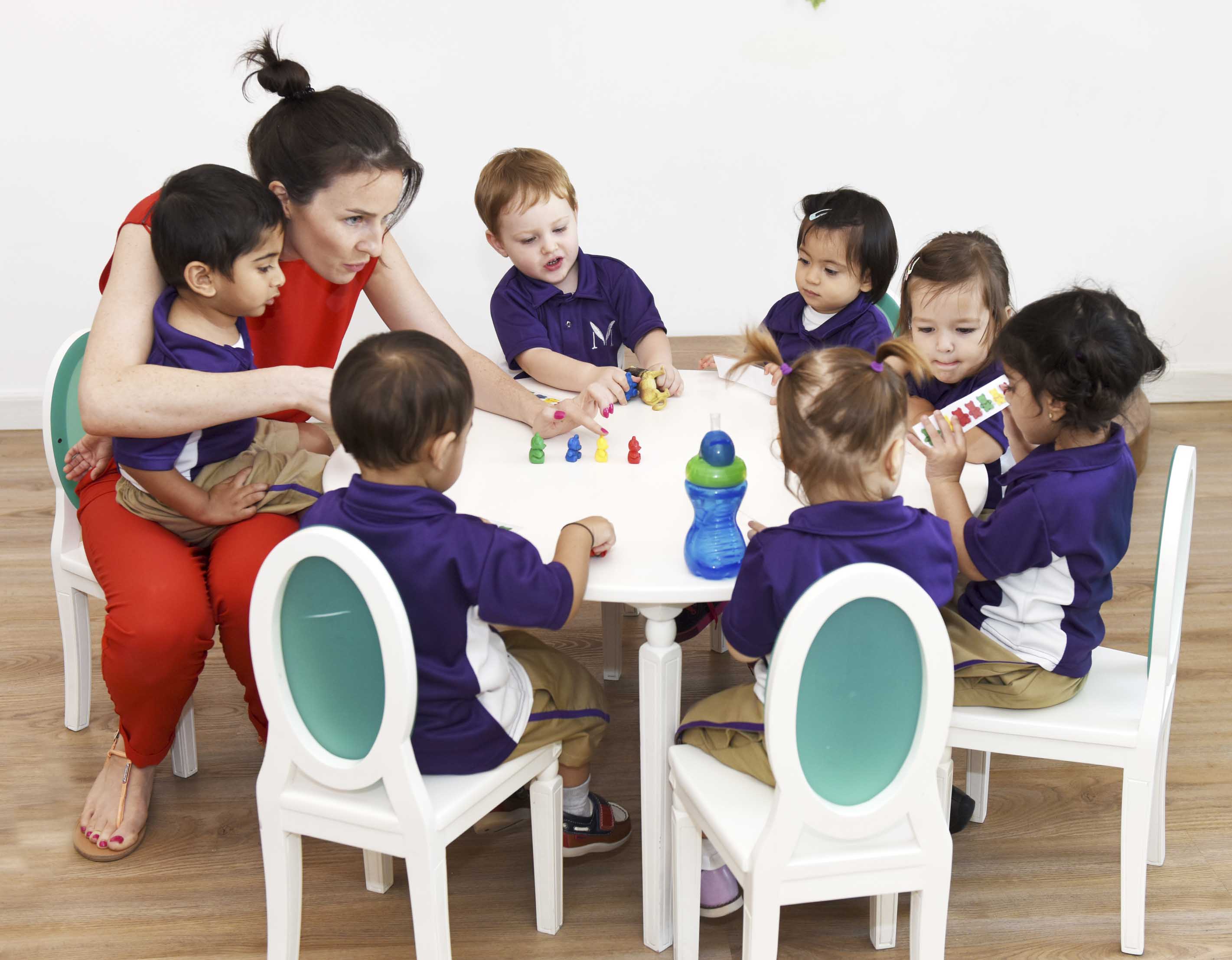
According to the school, the change is not driven by capacity constraints or regulatory changes, but by design.
"This is not about correcting a weakness," the school shared. "It's about refining a model that already works well."
Why reduce further?
The decision reflects a combination of classroom experience, specialist instruction requirements, and insights from developmental research.
At Masterminds, specialist learning - including music, swimming, physical development, language immersion, and inquiry-based learning - is fully integrated into the daily curriculum, not delivered as occasional add-ons. Smaller group sizes allow these experiences to be delivered with greater precision, individual feedback, and emotional safety.
In parallel, the school continues to integrate findings from its collaboration with the Wharton Neuroscience Initiative, where one consistent theme is the relationship between group size, attention, and learning depth. Research and practice alike suggest that very small groups support stronger engagement, sustained focus, and higher-quality interactions between children and educators.
"Groups of around six consistently allow children to participate more fully - socially, cognitively, and emotionally," the school noted.
Responding thoughtfully to a changing education landscape
The announcement comes at a time of wider change in Dubai's education sector, including the recent KHDA age cut-off update, which applies to new admissions and may result in slightly younger children entering certain year levels across the city.
While some schools are responding by increasing capacity, Masterminds has taken a different view.
"When children are younger, the learning environment matters even more," the school explained. "Smaller groups allow educators to remain developmentally responsive without increasing pressure or pace."
Depth over scale
By committing to smaller class sizes across all early years levels, Masterminds is reinforcing a philosophy that prioritises depth over scale - fewer children per group, stronger relationships, and more intentional learning experiences.
The school emphasises that its existing class sizes already deliver strong outcomes. The shift to a uniform 12-student maximum represents an investment in optimisation, positioning personalised education as a structural choice rather than a marketing claim.
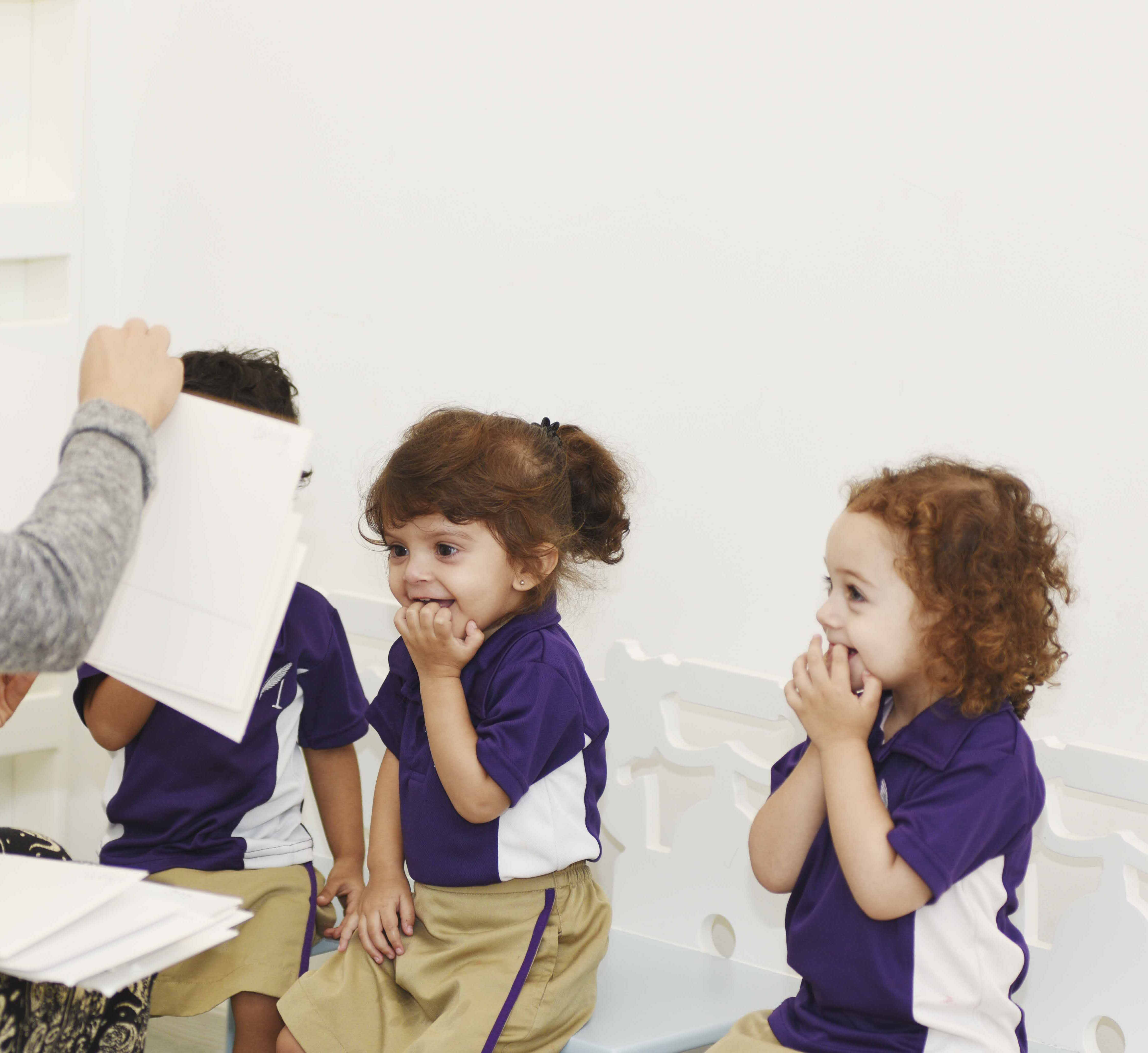
Further details on the school's curriculum, integrated specialist programs, and learning model can be found at www.masterminds.ae.
As Dubai's education market continues to grow and diversify, Masterminds Early Learning Center's decision raises a broader question for parents and educators alike: in early childhood education, is progress better measured by how many children a school can accommodate - or by how deeply each child is supported to learn?
CONTACT:
Name: Rahim Rahimov
Email: rahim.rahimov@masterminds.ae
Phone: +971 4 346 9210
SOURCE: Masterminds Education
View the original press release on ACCESS Newswire