As 20 million pregnancies worldwide are classified as high-risk annually, AI technology supports more consistent prenatal monitoring
SEOUL, SOUTH KOREA / ACCESS Newswire / March 9, 2026 / Artificial intelligence is playing an increasingly important role in prenatal care, helping clinicians identify potential pregnancy complications earlier and with greater consistency. According to research by Johnson et al. published in Cureus (2024), approximately 20 million pregnancies are classified as high-risk each year globally-driven by factors including advanced maternal age and chronic health conditions. AI in prenatal ultrasound is becoming a valuable tool for monitoring fetal development and maternal health where early detection can significantly impact outcomes.
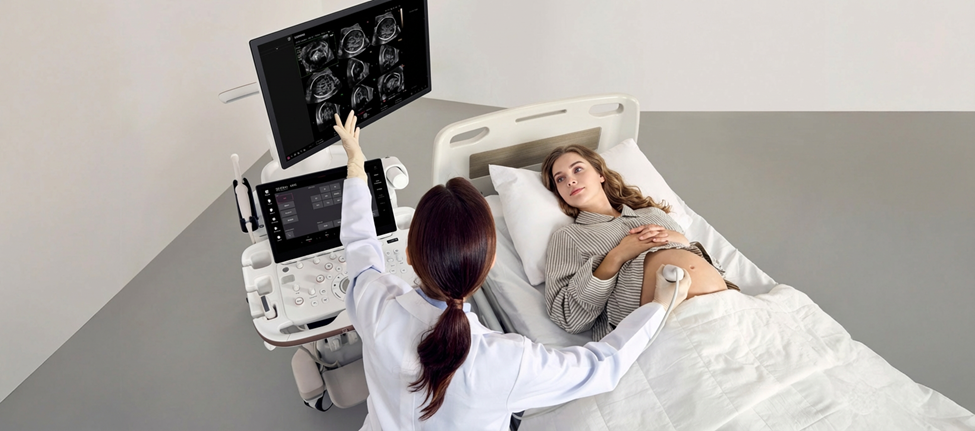
Why AI Matters in High-Risk Pregnancy Care
Prenatal ultrasound has long relied on operator expertise. Manual fetal measurements, anatomical assessment, and image interpretation can vary between sonographers, especially in busy clinical settings. For high-risk pregnancies - where conditions like preeclampsia, fetal growth restriction, or structural abnormalities require closer monitoring-maintaining consistency across examinations is critical.
AI prenatal ultrasound systems help address these challenges by automating routine measurements and supporting standardized image acquisition.
How AI Supports More Consistent Fetal Monitoring
One well-established application of AI in obstetric imaging is automated fetal biometry. Measurements such as head circumference, abdominal circumference, and femur length are essential for tracking fetal growth over time. When performed manually, these tasks can be time-consuming and subject to differences between operators.
AI-powered ultrasound technologies help streamline this process by automatically identifying anatomical landmarks and calculating measurements. This allows sonographers to focus more on image interpretation, clinical correlation, and patient communication rather than repetitive measurement tasks.
Supporting Comprehensive Anatomical Assessment
Beyond measurements, AI is helping clinicians conduct more comprehensive fetal anatomical evaluations. Educational resources on AI in prenatal care demonstrate how intelligent imaging tools assist in ensuring complete visualization of key anatomical structures during routine examinations.
These tools help guide clinicians through standardized scanning protocols, flagging areas that may warrant closer review while maintaining full clinical oversight. Rather than replacing expertise, AI functions as a quality assurance layer that supports thorough examinations and reduces the likelihood of missed findings.
Monitoring Maternal Heart Health in Complex Pregnancies
High-risk pregnancies often require careful monitoring of maternal cardiovascular health. Pregnancy places increased demands on the heart and circulatory system, and conditions like preeclampsia can cause significant cardiovascular stress.
AI-enhanced ultrasound solutions for maternal cardiac monitoring help clinicians track hemodynamic parameters throughout pregnancy. Expert training on maternal cardiac hemodynamic monitoring shows how these systems automate measurements of cardiac output, systemic vascular resistance, and other key indicators of maternal cardiovascular function.
When combined with traditional screening approaches-including blood pressure monitoring, biomarker analysis, and uterine artery Doppler-these tools provide a more comprehensive view of maternal health.
The Critical Role of Education
As AI becomes more integrated into prenatal ultrasound practice, proper training is essential. Clinicians need to understand how AI-supported outputs are generated, how to interpret them appropriately, and where their limitations lie.
Samsung theSUITE, a free ultrasound education platform, provides healthcare professionals worldwide with comprehensive training across all ultrasound specialties. Among its extensive course library, the platform offers expert-led education on AI-enhanced prenatal imaging, covering basic ultrasound techniques through advanced applications of artificial intelligence in maternal-fetal medicine-all accessible at no cost, anytime, anywhere on any device.
Clinicians can explore how Samsung's AI technologies work in real clinical workflows, understand best practices for high-risk pregnancy monitoring, and stay current with the latest advances in prenatal imaging. Across all educational content, the platform emphasizes that AI is a supportive technology, with final interpretation, diagnosis, and care decisions remaining the responsibility of qualified healthcare professionals.
What This Means for Expectant Mothers and Clinicians
For expectant mothers facing high-risk pregnancies, AI-enhanced ultrasound means more consistent monitoring, faster examinations, and earlier identification of potential concerns. For clinicians, these tools help improve diagnostic accuracy, reduce examination times, and support more standardized assessments across different operators and facilities.
AI in prenatal ultrasound serves as a support system that enhances clinical expertise rather than replacing it. By automating routine tasks and reducing variability, AI allows healthcare professionals to dedicate more attention to the aspects of care that require human judgment, experience, and compassion.
Ultimately, these advances translate to what matters most: healthier pregnancies and better outcomes for mothers and babies.
Media Contact:
Name: Lim Jaebok
Organization: Growth
Email: mkt@growthmk.com
Website: https://growthmk.com
SOURCE: Growth
View the original press release on ACCESS Newswire