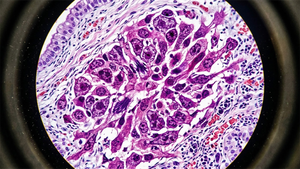
- First-in-human study underway evaluating anti-CD36 monoclonal antibody designed to restore metabolic fitness in exhausted T cells, reduce immunosuppressive cells, and enhance antitumor immunity
Pilatus Biosciences, Inc., a clinical-stage biopharmaceutical company developing novel metabolic checkpoint immunotherapies for liver and gastrointestinal cancers, today announced the first patient has been dosed in its Phase 1 clinical trial evaluating PLT012, a first-in-class anti-CD36 monoclonal antibody for the treatment of advanced solid tumors. The first patient was treated at Next Oncology in Houston, Texas.
PLT012 recently received Investigational New Drug (IND) clearance from the U.S. Food and Drug Administration. The antibody target, CD36, is a key regulator of lipid uptake and metabolic adaptation within the tumor microenvironment (TME). By blocking CD36-mediated fatty acid uptake, PLT012 aims to invigorate innate and adaptive effector cells, reduce immunosuppressive cell populations, and elicit durable tumoricidal immune responses.
“Dosing our first patient is an important milestone for Pilatus and validates our work advancing a new immuno-metabolic approach to cancer therapy,” said Raven Lin, CEO and Co-Founder, Pilatus Biosciences. “Many solid tumors create a metabolically hostile microenvironment that drives immune exhaustion and resistance to existing therapies. PLT012 is designed to directly address this metabolic suppression, with the goal of restoring effective antitumor immunity for patients with limited treatment options.”
“Many advanced solid tumors suppress immune responses through metabolic mechanisms, limiting the effectiveness of current immunotherapies,” said Anthony B. El-Khoueiry, MD, principal investigator of the trial, who also serves as chief of section of developmental therapeutics and associate director for clinical research at the USC Norris Comprehensive Cancer Center, part of Keck Medicine of USC. “CD36 is a key regulator of lipid uptake and immune dysfunction in the tumor microenvironment, making it a compelling target. This Phase 1 study will evaluate the safety of PLT012 and help determine whether targeting metabolic checkpoints can restore immune activity for patients with difficult-to-treat cancers.”
The open-label, multi-center Phase 1 study is evaluating PLT012 in patients with advanced solid tumors, with expansion cohorts planned in tumor types characterized by lipid-driven metabolic dysregulation, including, but not limited to, liver cancers and tumors with liver metastases. The primary objectives of the study are to assess safety and tolerability, and to determine the maximum tolerated dose and the recommended Phase 2 dose of PLT012.
Additional endpoints will look at pharmacokinetics/pharmacodynamics, biomarkers, and early signs of clinical response. In addition to pharmacokinetics and immunogenicity, a comprehensive biomarker strategy centered on CD36 biology has been designed to support translational insights and guide future clinical development. This approach is intended to enable more precise patient stratification in expansion cohorts and subsequent trials, with the goal of enriching for lipid-enriched tumor types and CD36-high patient populations.
“There is a significant unmet need for patients whose tumors do not respond adequately to current immunotherapies,” said George E. Peoples, MD, Chief Medical Officer, Pilatus Biosciences. “Targeting CD36 represents a differentiated approach to reshape the tumor microenvironment by addressing lipid-driven immune dysfunction. The comprehensive clinical and biomarker assessments incorporated into this study will be essential to understanding how PLT012 reprograms the TME and to guiding further development.”
Preclinical studies demonstrated that PLT012 blocked CD36-mediated metabolic reprogramming in regulatory T cells (Tregs) and CD8+ tumor-infiltrating lymphocytes, resulting in enhanced antitumor immune activity. In murine models of liver metastasis, PLT012 significantly reduced tumor growth in both hepatic and subcutaneous tumors. These effects were associated with favorable remodeling of the TME, including reduced M2 macrophages and Treg populations, and increased CD8+ T cell infiltration.
Additionally, PLT012 mitigated liver metastasis–associated resistance to immune checkpoint inhibitors and resensitized tumors to anti-PD-1 therapy in preclinical models. Together, these findings support the potential of CD36-targeted immunometabolic therapy as a complementary strategy to existing checkpoint blockade treatments.
Building on previously reported preclinical data demonstrating PLT012’s robust anti-tumor activity in both inflamed and immune-cold HCC murine models, PLT012 received Orphan Drug Designation from the FDA in December 2024 for the treatment of hepatocellular carcinoma (HCC) and intrahepatic bile duct cancers, underscoring the significant unmet medical need in these indications. Pilatus also received FDA Fast Track Designation for PLT012 for the treatment of HCC on February 14, 2026.
This announcement is intended to share information about this study and is not soliciting participants.
About PLT012
PLT012 is a humanized monoclonal antibody designed to selectively block CD36-mediated lipid uptake, a key mechanism driving immunosuppression and immune exclusion within the tumor microenvironment. By targeting lipid metabolism, PLT012 exerts a unique mechanism of action: it depletes immunosuppressive cell populations, including Tregs and pro-tumor macrophages, while simultaneously enhancing antitumor activities of intratumoral NK cell and cytotoxic CD8+ T cell that are otherwise susceptible to lipid-induced exhaustion. In preclinical studies, PLT012 has demonstrated potent monotherapy efficacy in models of liver malignancies, with a favorable safety profile across species. Leveraging its distinct mechanism of action, PLT012 further acts as a potent sensitizer in combination with anti–PD-L1 therapies, effectively overcoming drug resistance in immune “cold” tumors and liver metastases.
About Pilatus Biosciences
Pilatus Biosciences is a clinical-stage biopharmaceutical company developing metabolic checkpoint immunotherapies to address unmet medical needs in cancer and immune-related diseases. Founded in 2022 from the Ludwig Institute for Cancer Research, and supported by the Cancer Research Institute, Pilatus operates internationally with R&D teams in Switzerland and Taiwan. The company’s lead program, PLT012, targets CD36 to reprogram the tumor microenvironment and restore anti-tumor immunity in solid tumors. For more information, visit www.pilatusbio.com.
View source version on businesswire.com: https://www.businesswire.com/news/home/20260308705893/en/
Contacts
Media Contact
Kimberly Ha
KKH Advisors
917-291-5744
kimberly.ha@kkhadvisors.com