As artificial intelligence reshapes how knowledge is created and shared worldwide, questions about the future of education are becoming increasingly urgent. In this context, a 19-year-old education entrepreneur from China is drawing growing international attention.

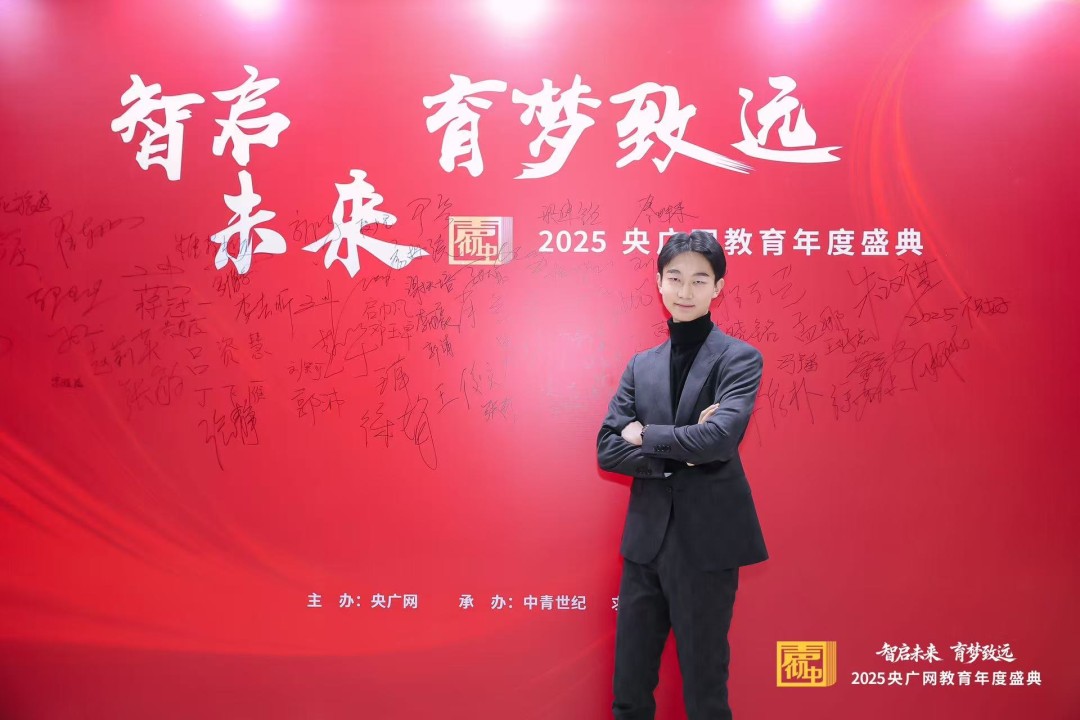
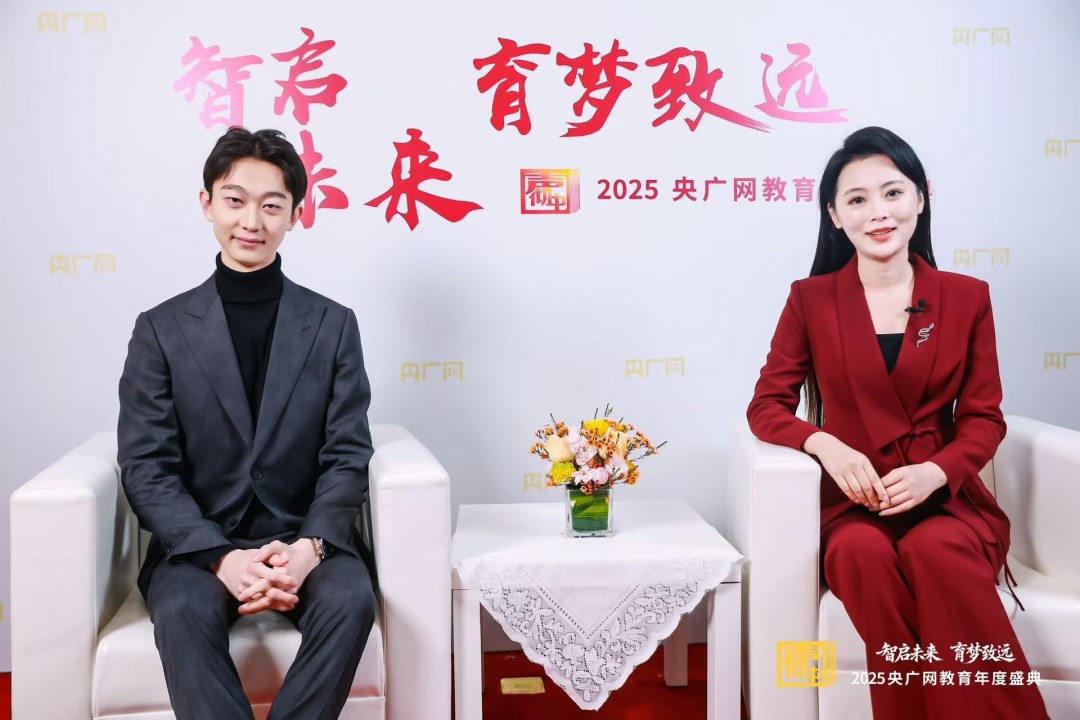
Tang Yingxi, founder of the experimental learning platform Mercury Academy, was recently named International Education Pioneer of the Year by China National Radio Online (CNR.cn), one of the most influential online media platforms in China, following his recognition as 2025 Forbes China Educational Industry Selection – Influential Person in International Education. The dual honors make him the youngest recipient in the history of both distinctions and position him as one of the most closely watched young figures in international education innovation.
Beyond Age: A New Category of Education Leader
What sets Tang apart is not simply his age, but the role he represents. Unlike most award recipients—typically senior academics or executives of established institutions—Tang belongs to a new category: a learner who transitioned directly into designing and operating education systems while still in his teens.
Education observers describe him as both a builder and a living case study of next-generation learning—someone who tests new models not in theory, but in real-world practice.
Mercury Academy and a New Learning Architecture
Tang founded Mercury Academy, one of the earliest initiatives in China to focus on what it defines as “flexible learners”—students whose educational trajectories fall outside conventional schooling pathways.
The platform integrates:
1. AI-driven personalized learning systems
2. Future oriented curricula, including future literacy and global thinking courses
3. Project-based learning (PBL) centered on real-world challenges such as sustainable energy, cultural heritage preservation, and rural and community regeneration
4. An online learning network serving more than two million learners, designed to reduce barriers to access and expand educational opportunity
Rather than emphasizing standardized testing or credentials, the model prioritizes transferable skills, systems thinking, and applied problem-solving—capabilities increasingly aligned with global workforce and civic needs.
From Sustainability Practice to Education Equity
Tang’s approach to education was shaped by hands-on experimentation at the intersection of technology, sustainability, and public good.
Before launching Mercury Academy, he received the COP28 Zayed Sustainability Prize, later serving as a Youth Ambassador, and donated the full USD 150,000 prize award to retrofit his former school with energy-saving infrastructure.
These experiences reinforced his belief that education should be grounded in real systems and real impact. Central to his work is a commitment to advancing education equity in line with the United Nations Sustainable Development Goals (SDGs), particularly the goal of ensuring inclusive and equitable quality education and lifelong learning opportunities for all.
Mercury Academy’s emphasis on open access, flexible pathways, and project-based learning reflects this mission, aiming to lower structural barriers and broaden participation in future-oriented education.
Why Global and National Institutions Are Taking Notice
Industry analysts note that Tang’s recognition reflects a broader shift in how education leadership is defined. “His significance lies in the convergence of roles,” said one education observer. “He is simultaneously a learner, an innovator, and a system builder—demonstrating what education for the AI era could look like when young people actively shape it.”
While business-oriented evaluations have highlighted the scalability and social impact of his model, public-interest assessments have emphasized its alignment with long-term goals such as sustainability, inclusion, and education equity.
A Generation Redefining Education
In interviews, Tang frames his work as participation rather than disruption. “Our generation is not waiting for education reform to be completed,” he said. “We are taking part in shaping education for the AI era.”
From international sustainability platforms to national media stages, Tang Yingxi’s trajectory reflects a shifting global narrative—one in which learners themselves play a central role in designing more inclusive, equitable, and future-ready education systems.
As debates continue worldwide over how education should respond to artificial intelligence, sustainability, and social change, Tang’s work offers one possible answer: not simply better schools, but better ways of learning—accessible to more people.
Media Contact
Company Name: Mercury Academy
Contact Person: Communications Office
Email: Send Email
Country: China
Website: http://www.mercuryacademy.com/